How Long Is a Football Pitch in Metres?
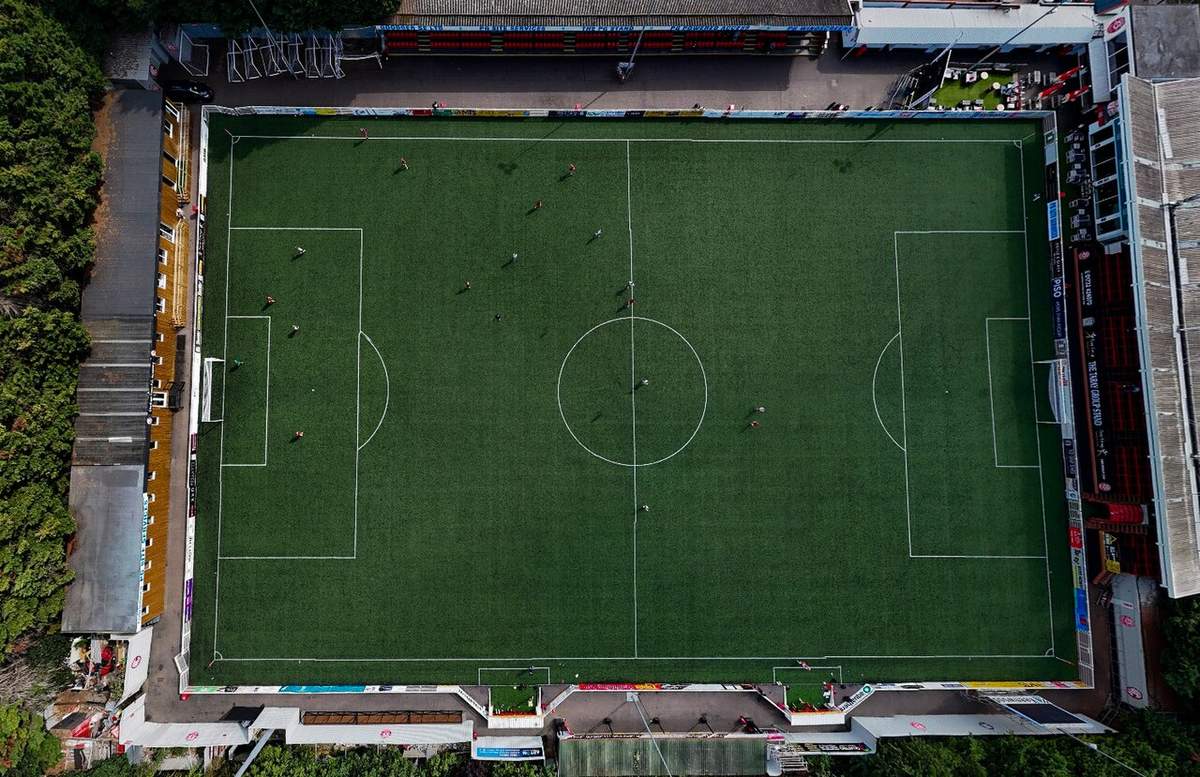
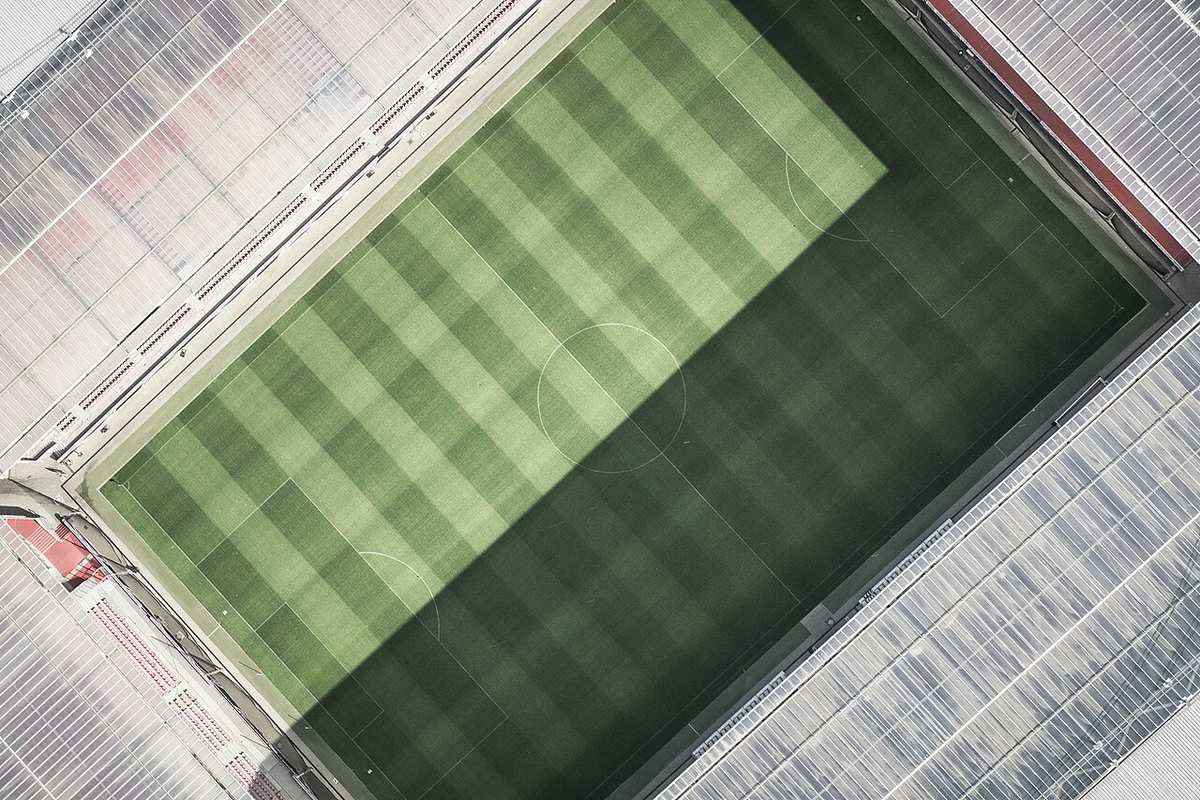
There is no single official length for a football field, and that is the first thing to understand. The Laws of the Game set a permitted range, not a fixed number, and within that range clubs choose the size that suits their stadium and their style of play. The figure most fans have in their heads — 105 metres by 68 metres — is the most common professional size, not a universal rule.

The short answer
For senior international matches, the field must be between 100 and 110 metres long (the touchlines) and between 64 and 75 metres wide (the goal lines). For other senior matches, the permitted range is wider: 90 to 120 metres long and 45 to 90 metres wide. In both cases the touchline must be longer than the goal line, so a square pitch is never legal.
The 105 by 68 metre pitch sits comfortably inside the international range, which is why so many top stadiums use it. FIFA recommends exactly that size, and UEFA requires it for its own competitions, so it has become the default for new grounds. But a club with an older, tighter ground can legally play on a smaller pitch, and the difference is visible: less space between the lines, less room for wingers, and a game that feels more compressed.
The markings that never change
While the outer dimensions vary, the key markings inside the pitch are fixed. Wherever you watch professional football, these numbers are the same:
- Goals: 7.32 metres (8 yards) wide between the inside of the posts, and 2.44 metres (8 feet) from the ground to the underside of the crossbar. The goal size has been unchanged since 1863.
- Penalty area: extends 16.5 metres from each goalpost along the goal line and 16.5 metres into the field.
- Goal area (six-yard box): extends 5.5 metres from each goalpost and 5.5 metres into the field.
- Penalty mark: 11 metres from the midpoint of the goal line.
- Centre circle: 9.15 metres radius from the centre mark — the same distance opponents must keep at kick-off.
That fixed interior is why a match feels like the same game on a 100-metre pitch and a 110-metre one. The shooting target, the penalty box and the kick-off distance do not move; only the amount of open ground between them changes.
Metres, yards, or both?
The Laws were written in England and originally expressed in imperial units, which is why the goal is still exactly eight yards wide and eight feet high. Since 1999 the Laws have preferred metric units, with imperial equivalents in brackets. In practice, British and American coverage still uses yards and feet, while most of the rest of the world uses metres. Both describe the same pitch: 105 metres is 115 yards, 68 metres is about 74 yards, and 7.32 metres is eight yards.
Do youth and small-sided pitches use the same sizes?
No. Youth football, futsal, beach soccer and seven-a-side all use reduced pitches set by national associations and leagues, not by Law 1 directly. A youth goal is roughly half the size of an adult goal, futsal is played on a hard court of about 40 by 20 metres, beach soccer on sand of about 35 to 37 metres by 26 to 28 metres, and seven-a-side on a pitch roughly 50 to 65 metres long. Anyone organising a youth or amateur match should check their local association's rules rather than copying the professional dimensions.
Why clubs choose different sizes
Pitch size is a tactical decision as much as an architectural one. A wide pitch stretches the opposition and rewards fast wingers; a narrow one compresses space and suits a team that defends deep and counters. A long pitch rewards stamina and direct running; a short one keeps the game compact and physical. Within the legal range, the home club decides — and visiting teams have to adapt every week.
That is also why the same stadium can feel different under different competitions. International rules narrow the permitted range, so a club ground that is legal for a domestic league match may need adjustment, or a different venue, for an international fixture.

Frequently asked questions
How long is a football field in metres?
Between 100 and 110 metres for senior internationals, and 90 to 120 metres for other senior matches. The most common professional size is 105 metres.
How wide is a football field?
Between 64 and 75 metres for senior internationals, and 45 to 90 metres otherwise. The most common professional width is 68 metres.
How big is a football goal?
7.32 metres wide and 2.44 metres high, measured between the inside of the posts and to the underside of the crossbar.
Is every professional pitch the same size?
No. Clubs choose within the permitted range, which is why pitches visibly differ from stadium to stadium.
How long is a football field in yards?
The common professional pitch of 105 by 68 metres is 115 by about 74 yards.