How Many Players Are on a Football Team?
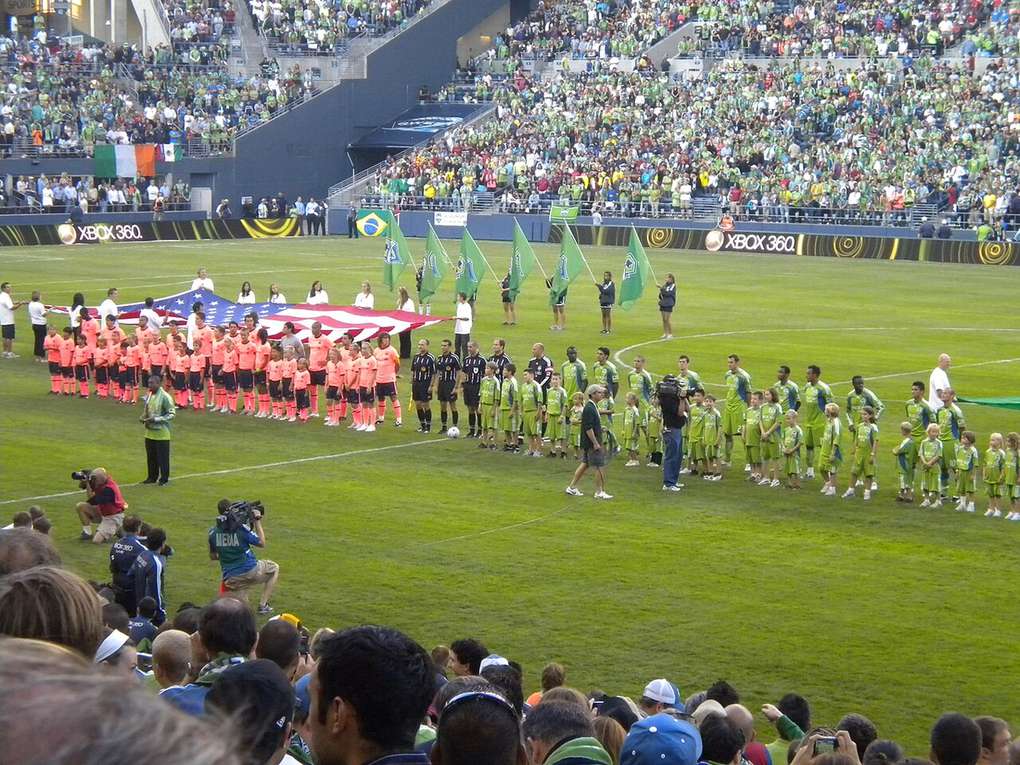
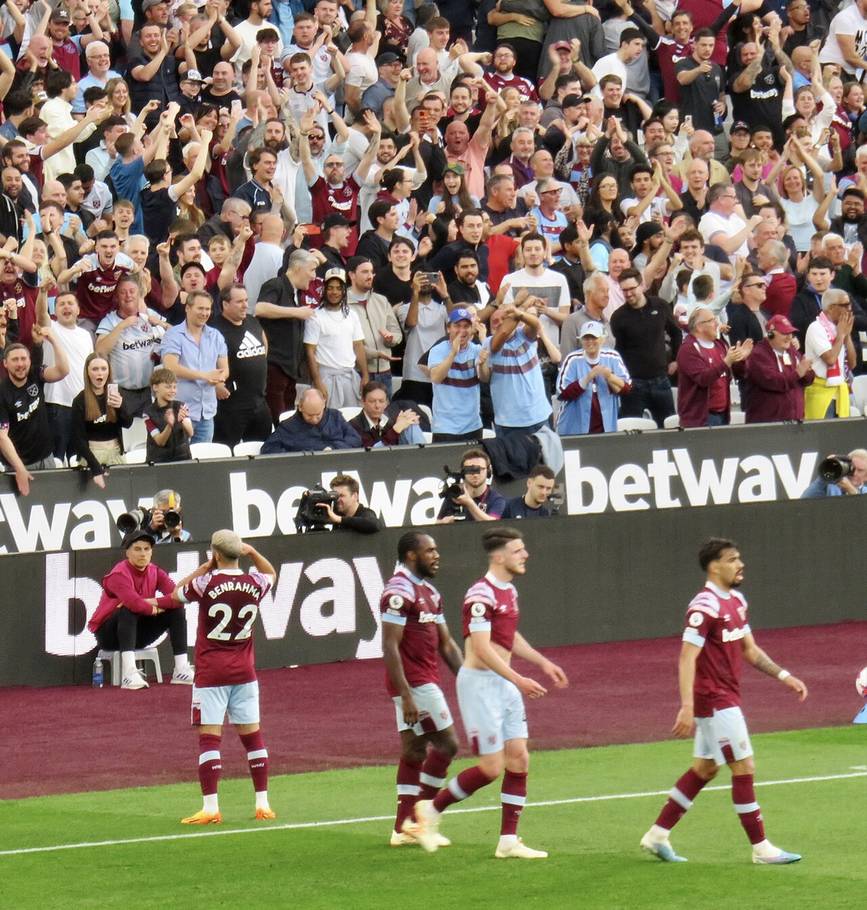
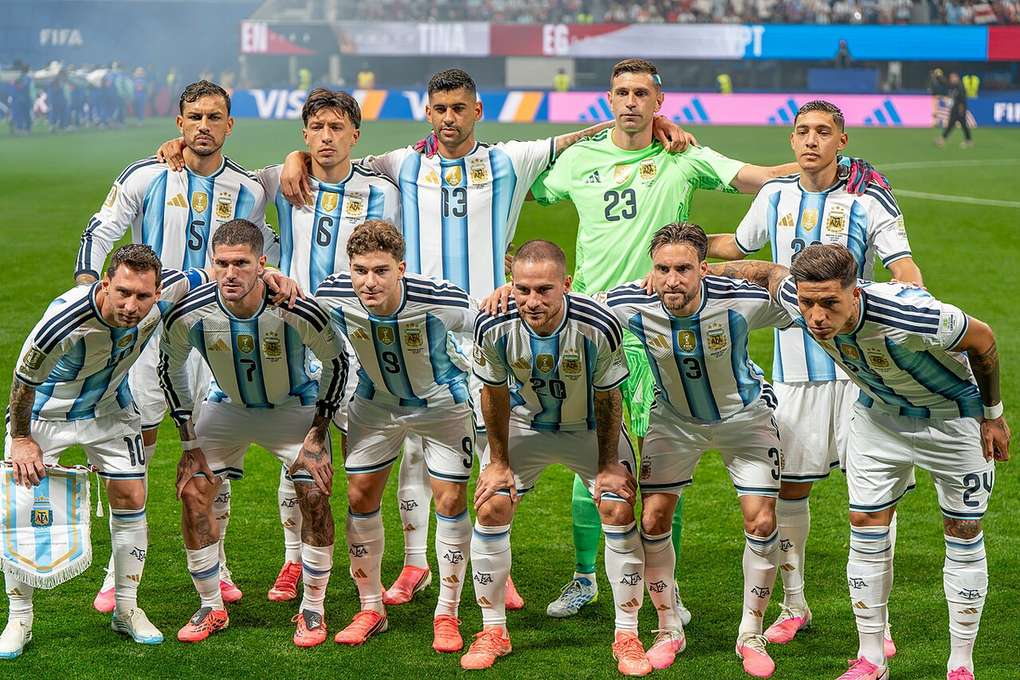
The short answer is eleven. A football team fields eleven players at kick-off: one goalkeeper and ten outfield players. That number is not a tradition or a television convention. It is Law 3 of the Laws of the Game, the rulebook maintained by the International Football Association Board (IFAB), and it applies from a neighbourhood league match to a World Cup final.

But eleven is only the starting point. Teams also name substitutes, matches can continue when a team loses players, and the smaller versions of the game use different numbers entirely. Once you know the handful of rules behind the headline number, most of the confusion around squad lists, red cards and five-a-side disappears.
The eleven on the pitch
The eleven break down into one goalkeeper and ten outfield players. The goalkeeper is the only player allowed to handle the ball inside their own penalty area, and must wear colours that distinguish them from both teams and the officials. The ten outfield players are usually described by position — defenders, midfielders and forwards — but the Laws do not fix a formation. A coach can play four defenders or five, one striker or three. The number eleven stays the same; the shape around it is a tactical choice, not a rule.
That flexibility is why two teams can both field eleven players and look completely different. A side built around wing play, a side built around a packed midfield and a side built around a lone striker are all playing the same eleven-a-side game.
How many players can a team have in total?
The matchday squad is bigger than the eleven. Before kick-off, each team hands the referee a team sheet naming its starting eleven and its substitutes. In most top-level competitions today, teams may name up to twelve substitutes and use five of them during a match, with an extra substitute allowed if a game goes to extra time. The exact numbers are set by each competition's rules, so a Champions League bench and a local cup bench do not always look identical.
Two points matter for fans reading a team sheet. First, a substitute who has been replaced cannot return in eleven-a-side football — unlike futsal or beach soccer, where rolling substitutions are the norm. Second, a player named on the bench who never enters the game has not officially "played" in it, which is why appearance statistics and starting appearances are counted separately.
Substitutes: how many can actually play?
A team starts with eleven, but it does not have to finish with the same eleven. In most professional football today, a team may make five substitutions during a match, using three substitution windows plus half-time. That five-substitute rule, made permanent after its pandemic-era trial, is the standard across the major leagues and international tournaments, though a specific competition can still set its own number.
Substituted players cannot return in standard adult professional football. Once a player comes off, his match is over. That single detail shapes a lot of coaching: a manager who uses all five changes early has no response left if a player gets injured late, and a team that has used its windows must play on with ten men if a player cannot continue. Youth football often works differently, with return substitutions allowed so young players get more minutes, which is one more reason to check the competition's rules rather than assuming the professional version applies everywhere.
Squad sizes at tournaments
Tournament squads are bigger than matchday groups because a team must survive several matches, including injuries and suspensions. Recent men's World Cups have used 26-player squads: a coach picks 26, names a starting eleven and a bench for each match, and can only use the players in that 26 across the whole tournament, subject to injury replacements under FIFA's rules. The 2026 edition, the first with 48 teams, followed the same pattern of a large squad feeding a small matchday group.
Club football works the same way at a different scale. A club may employ 30 or more professionals across its first team and reserves, but only the registered squad counts for a given competition, and only the named matchday group counts for a given match. When commentators say a club has "a thin squad", they mean the registered group is small or unbalanced, not that the club literally cannot field eleven players.
What is the minimum number of players?
A match cannot start, and cannot continue, if a team drops below seven players. That is the hard floor in Law 3. So a team reduced by red cards plays on with ten, nine or eight players, but the referee must abandon the match if a seventh player is lost — through dismissals, injuries after all substitutes have been used, or a combination of both.
This is also why a red card matters so much beyond the foul itself. The dismissed player cannot be replaced, so the team finishes the game short-handed. A side that loses two players is not just missing two individuals; it is missing nearly a fifth of its outfield structure, and the remaining players have to cover measurably more ground.
What happens when a player is sent off?
A red card removes a player from the match and the team cannot replace him. A team that suffers one sending-off plays the rest of the match with ten players; a second red card leaves nine, and so on. There is no temporary dismissal in standard adult football: the disadvantage lasts until the final whistle.
This is also where the seven-player minimum bites. If a team is reduced to six players through sendings-off, or a combination of sendings-off and injuries after all substitutes have been used, the referee must abandon the match. It is rare at professional level precisely because it takes a remarkable sequence of events to get there, but the rule exists so that a match never becomes a farce of four against eleven.
For the full list of offences that earn a sending-off, see our guide to the rules of football and the red-card rules.
Goalkeepers and captains
Every team must have exactly one designated goalkeeper on the field at all times. The goalkeeper is the only player allowed to handle the ball inside his own penalty area, and he wears a shirt colour that distinguishes him from both teams and the officials. If a goalkeeper is sent off or injured after all substitutes have been used, an outfield player must take the gloves. It happens rarely, and it almost always becomes the story of the match, because an outfield player in goal changes everything about how his team defends.
The captain is not a twelfth player and has no special powers under the Laws. The captain wears an armband, leads the team out, and is the usual point of contact with the referee, but the referee can speak to any player, and the captain cannot overrule a decision. The idea that only the captain can talk to the referee is a myth: referees may choose to manage a game through captains, but the Laws give no player a right to argue a call.
Do the numbers change in other versions of football?
Yes, and this is where most search confusion comes from. The headline number depends on which version of the game you mean:
- Eleven-a-side football: 11 per team, minimum 7, five substitutes in most elite competitions.
- Futsal: 5 per team on court — one goalkeeper and four outfield players — with rolling substitutions from a bench of up to seven substitutes.
- Beach soccer: 5 per team on the sand, again one goalkeeper and four outfield players, with unlimited substitutions.
- Seven-a-side: 7 per team, one goalkeeper and six outfield players, a format common in youth football and amateur leagues, where substitutions are usually unlimited and players can re-enter.
- Five-a-side (small-sided): 5 per team, a format whose rules vary by league, so the substitution and goalkeeper rules should always be checked against the local organiser.
None of these formats contradicts the eleven-a-side answer. They are different games built from the same idea, each shrinking the pitch, the team and the match length to fit its setting.
Football also scales down by age, and each step has its own headcount: under-7s and under-8s usually play 5-a-side, under-9s and under-10s 7-a-side, under-11s and under-12s 9-a-side, and under-13s and older play the full 11-a-side game on a full-size pitch. These are the standard progressions used by most national associations, though exact age cut-offs vary by country, so a local league's rules are always the final word for a specific child. The point of the ladder is development: smaller teams mean more touches of the ball per player, which is why a seven-year-old does not play the adult game on an adult pitch.
Why eleven?
Football settled on eleven long before the modern rulebook existed. The early codified games of the 1860s used eleven because that was roughly the size of the teams that schools and clubs could reliably field, and the number stuck as the game spread. Every later revision of the Laws kept it, and every major tournament — from the first World Cup in 1930 to the 48-team edition of 2026 — has been played eleven against eleven.
That stability is useful. When a fan asks how many players are in a team, the answer has not changed in over a century, even as substitution rules, squad sizes and tournament formats have all been rewritten around it.

Frequently asked questions
How many players are on the field in total during a football match?
Twenty-two: eleven per team, including two goalkeepers.
How many substitutes can a team use?
Five in most elite competitions, with competition rules deciding the bench size and whether an extra substitute is allowed in extra time. Lower leagues and youth competitions set their own limits.
Can a match continue with fewer than eleven players?
Yes, down to seven. Below seven, the referee must abandon the match.
How many players are in a futsal team?
Five on court per team, with rolling substitutions.
How many players are on a soccer team in total?
It depends on what you mean. On the field: eleven. Named for a match: the starting eleven plus substitutes, usually around twenty in total at professional level. In a full squad: around 25 senior players at a big club, or 26 at a recent men's World Cup.
Sources
- IFAB, Laws of the Game
- FIFA, Futsal Laws of the Game 2024-25
- FIFA, Beach Soccer Laws of the Game 2025-26