Argentina's Heartbreak: One Goal From World Cup Glory
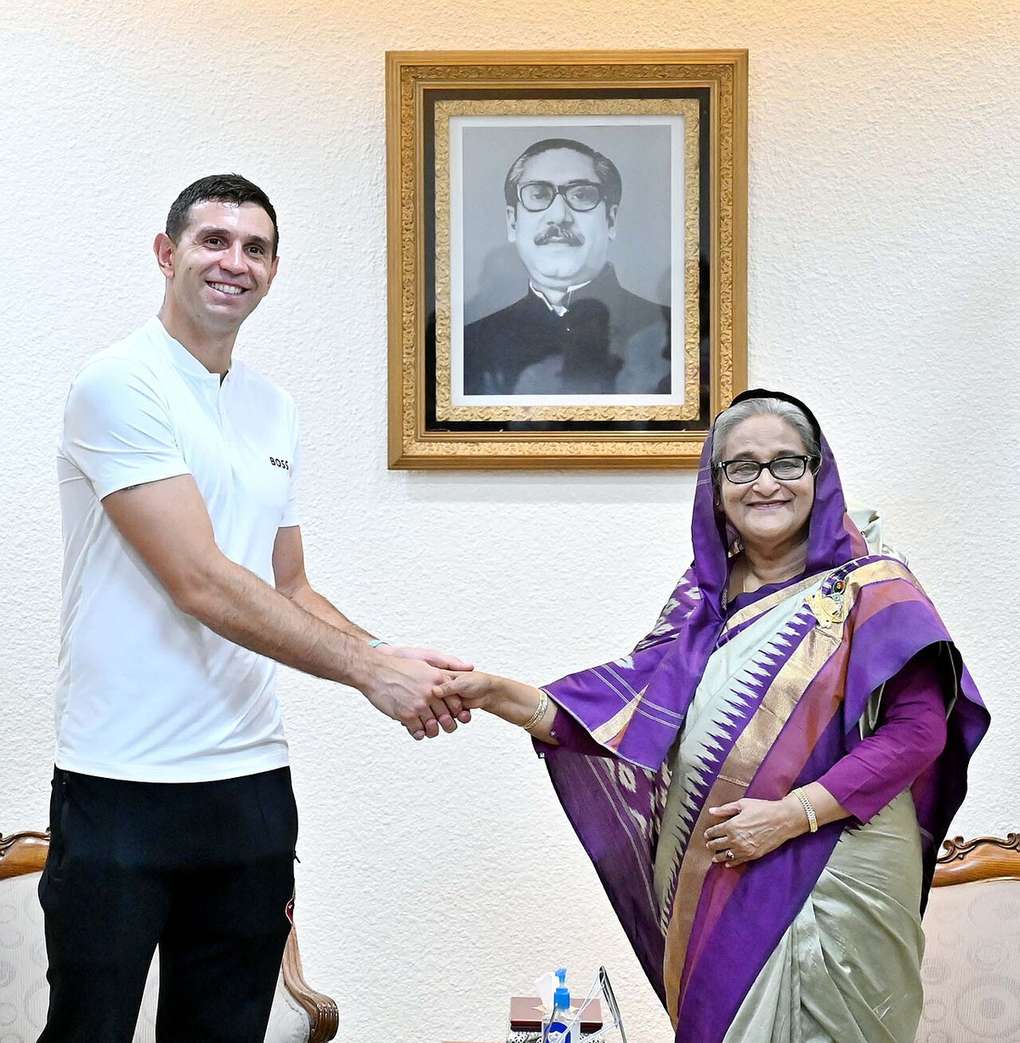
The 2026 FIFA World Cup is over, and Argentina's campaign ended in the final. Played from 11 June to 19 July 2026 in the United States, Canada and Mexico, the tournament finished with Spain beating Argentina 1-0 after extra time on 19 July 2026 at MetLife Stadium in East Rutherford, New Jersey, with Ferran Torres scoring the only goal in the 106th minute. This page sets out Argentina's route to that final, the players who defined it, and what comes next.
Argentina arrived at the tournament as defending champions, having won the previous World Cup in Qatar in 2022. They left as runners-up, one goal short of becoming the first nation to retain the trophy since Brazil in 1958 and 1962.
Key facts: Argentina at the 2026 World Cup
| Fact | Detail |
|---|---|
| Final result | Spain 1-0 Argentina, after extra time, 19 July 2026, MetLife Stadium |
| Decisive goal | Ferran Torres, 106th minute, from a Nico Williams header |
| Group stage | Three wins from three games |
| Knockout route | Cabo Verde 3-2, Egypt 3-2, Switzerland 3-1, England 2-1 |
| Top scorer | Lionel Messi, 8 goals and 4 assists |
| Final attendance and referee | 80,663 spectators; referee Slavko Vincic of Slovenia |
| Tournament totals | 48 teams, 104 matches, 308 goals across the tournament |
| Previous title | World champions in Qatar 2022; three world titles in total |
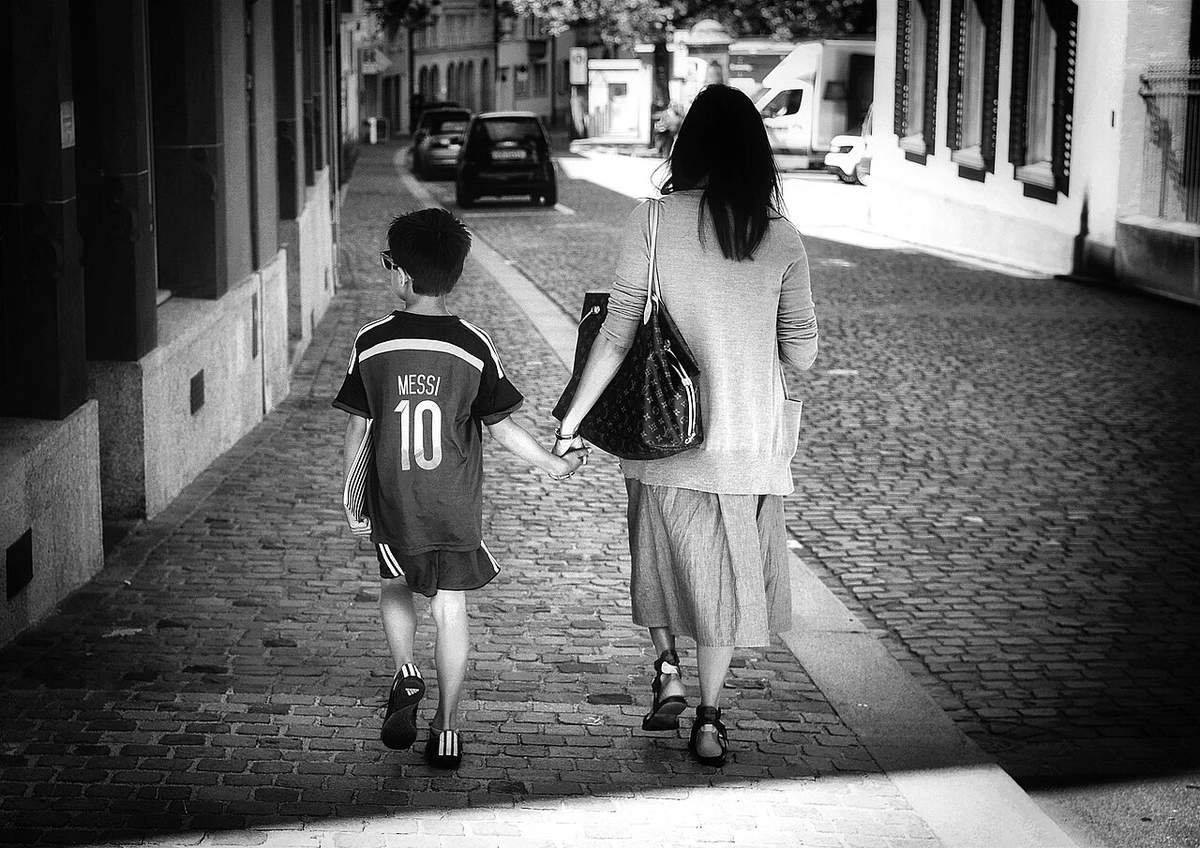
The final: Spain 1-0 Argentina
The final, played in front of 80,663 spectators, stayed goalless for 90 minutes. Argentina's goalkeeper Emiliano Martinez repeatedly denied Spain, including major saves from Lamine Yamal and Mikel Oyarzabal, and Argentina defended with great discipline even after being reduced to ten men, when Enzo Fernandez was sent off for a second yellow card late in normal time. Spain dominated possession but could not break through in normal time, and the match went to extra time.
The goal came in the 106th minute, in the second period of extra time. Pedro Porro crossed from the right, Nico Williams headed the ball back across goal, and Ferran Torres finished with his left foot past Martinez. Exhausted and a man down, Argentina could not find an equaliser, and Spain lifted their second World Cup, after South Africa 2010. For Messi, aged 39 in the final, it was a last World Cup match without a goal in the final itself, and without the fourth Argentine title he had chased as captain.
Argentina's route to the final
Argentina won all three group games, a perfect start that set up a knockout run full of narrow wins. In the Round of 32 they beat Cabo Verde 3-2, then Egypt 3-2 in the Round of 16, Switzerland 3-1 in the quarter-finals and England 2-1 in the semi-final in Atlanta on 15 July. Every knockout tie before the final was won in normal time, and every one of them was decided by a single goal except the two-goal margin against Switzerland. That pattern matters: Argentina did not cruise to the final, they survived it, round after round, with Messi scoring throughout and Martinez keeping them in games when the pressure mounted.
The semi-final win over England deserves emphasis because it set up the final's storyline. England went on to finish third, beating France 6-4 in the third-place play-off in Miami on 18 July, so Argentina's 2-1 win came against a side that finished on the podium.
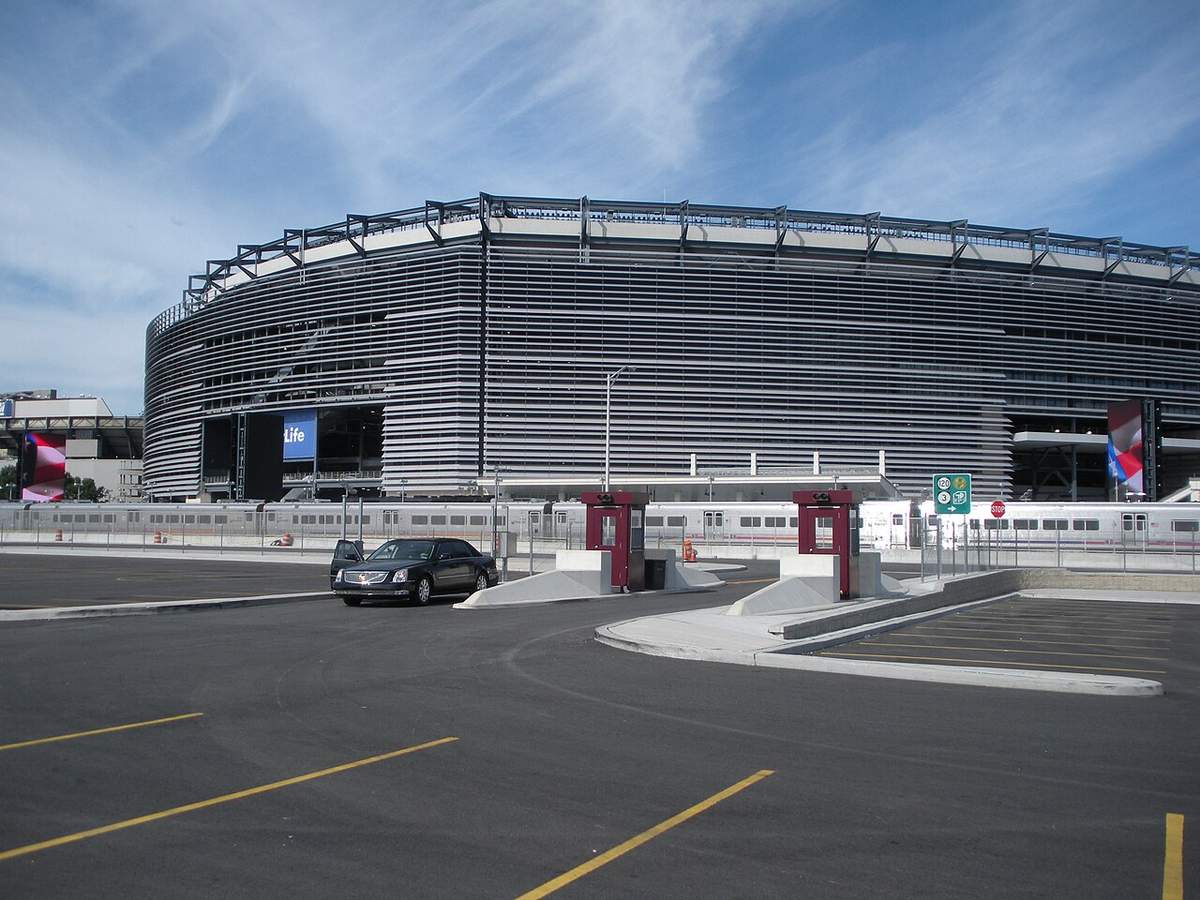
Key players of the campaign
Lionel Messi — captain and top scorer
Messi finished the tournament with 8 goals and 4 assists, second in the scoring table behind Mbappe's 10. He and Mbappe were level on eight goals heading into the closing matches, but Mbappe scored twice in the third-place match while Messi failed to score in the final. Beyond the 2026 numbers, the tournament rewrote the all-time World Cup scoring record: Messi moved past Miroslav Klose's long-standing mark of 16 goals during the tournament and finished his World Cup career on 21 goals, before Mbappe moved past him to 22. Messi remains, on those figures, the second-highest scorer in men's World Cup history.
Emiliano Martinez — the goalkeeper who kept Argentina alive
If Messi supplied the goals, Martinez supplied the survival. In the final alone his saves from Yamal and Oyarzabal kept Argentina level through 90 minutes against a Spain side that dominated possession.
Enzo Fernandez — the turning point of the final
Fernandez's dismissal for a second yellow card late in normal time in the final was the match's turning point. Argentina, already defending deep against Spain's possession, had to play extra time with ten men, and the winning goal arrived in the 106th minute, when tired legs and a missing midfielder mattered most. It is the cruel detail of the campaign: a team that had won four straight knockout ties by narrow margins finally ran out of players, and then out of time.
A note on honesty about this section: this page names only the Argentina players whose 2026 tournament roles are verified in the sources below — Messi, Martinez and Fernandez, plus the Spanish players involved in the final's decisive moments. A full Argentina squad list for 2026 is not published here because it was not verified for this page, and inventing squad details would mislead readers more than an honest gap.
Records and context
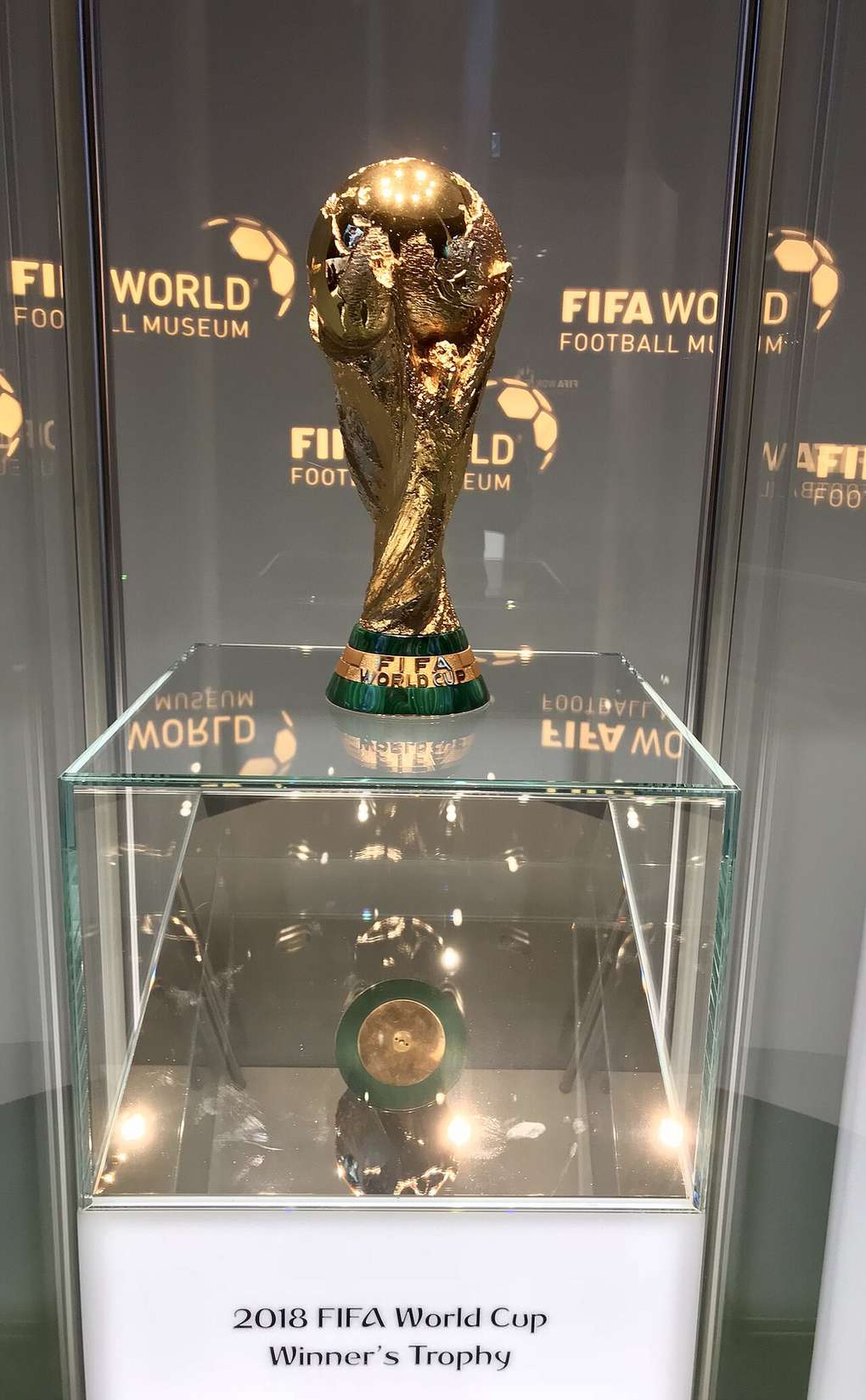
Argentina's 2026 campaign sits inside several larger records. The tournament was the first with 48 teams and 104 matches, with 308 goals at 2.96 per match and total attendance above 6.8 million. Spain finished unbeaten while conceding only one goal in eight matches, and their coach Luis de la Fuente became the oldest World Cup-winning coach at 65. For Argentina, the context is the title count: Spain's win moved them level with France and Uruguay on two world titles, behind Brazil (5), Italy and Germany (4) and Argentina (3). Argentina remain three-time champions, and the wait for a fourth title — and for the first successful defence since Brazil in 1962 — goes on.
The 2026 final also closed a chapter for the generation that won in Qatar 2022. A defending champion reaching the final is rare enough; losing it in extra time, a man down, to a goal in the 106th minute, is the narrowest possible margin.
What happens next for Argentina
The 2026 World Cup is over, so there are no World Cup 2026 fixtures left for Argentina — any page presenting one would be wrong. What continues is the normal football calendar: Argentina's upcoming fixtures, like every other team's, are listed on our fixtures page, and their recent results on our results page. For the full 2026 tournament story, see our World Cup 2026 results and bracket and our World Cup 2026 statistics. For the Spanish-language final report, see our Spain champions 2026 report.
Frequently asked questions
Who won the 2026 World Cup final between Spain and Argentina?
Spain won the final 1-0 after extra time on 19 July 2026 at MetLife Stadium. Ferran Torres scored the only goal, in the 106th minute.
How far did Argentina go at the 2026 World Cup?
Argentina reached the final as defending champions. They won all three group games, then beat Cabo Verde 3-2, Egypt 3-2, Switzerland 3-1 and England 2-1, before losing 1-0 to Spain after extra time.
How many goals did Lionel Messi score at the 2026 World Cup?
Lionel Messi scored 8 goals and provided 4 assists for Argentina at the 2026 World Cup, finishing second in the scoring table behind Kylian Mbappe of France, who scored 10.
What is next for the Argentina national football team?
Argentina's next fixtures are not World Cup 2026 fixtures, because that tournament ended on 19 July 2026. Current fixtures and results are listed on our fixtures and results pages.
Where can I find Argentina's full 2026 World Cup results?
Argentina's knockout results are set out on this page, and the full tournament bracket is on our 2026 World Cup results page.
Sources
- 2026 FIFA World Cup final, Wikipedia — date, venue, attendance, referee, finalists' routes.
- Al Jazeera: Spain battle past 10-man Argentina 1-0 in extra time to win 2026 World Cup — Torres 106th-minute goal, Fernandez dismissal, second Spanish title.
- World Cup Tipster: 2026 knockout bracket and complete results — Round of 32 to final scores.
- FIFA: 2026 World Cup official pages.