European Football Leagues Explained
This guide explains how that system fits together: the Big Five leagues that dominate attention and money, the leagues just below them, how a team moves between divisions, how the Champions League works since its 2024 reform, and when each season starts and how many games a top team actually plays.
Key facts: European football leagues
| Fact | Detail |
|---|---|
| Big Five | England (Premier League), Spain (LaLiga), Italy (Serie A), Germany (Bundesliga), France (Ligue 1) |
| England | 20 teams, 38 games, August–May |
| Spain | 20 teams, 38 games, August–May |
| Italy | 20 teams, 38 games, August–May |
| Germany | 18 teams, 34 games, August–May |
| France | 18 teams (since 2023-24), 34 games, August–May |
| Season | August–May; more than 50 national leagues in Europe |
| Champions League | League phase: 8 games, plus up to 5 knockout rounds |
The Big Five: where most of the money and attention goes
Five leagues dominate European football commercially and competitively, and they are worth naming first because almost every other discussion refers back to them:
- England: the Premier League. 20 teams, 38 league games each, played from August to May. The richest league in the world by broadcast revenue, and the most watched globally.
- Spain: LaLiga. 20 teams, 38 games, August to May. Home of Real Madrid and Barcelona, the two clubs with the most European Cups between them.
- Italy: Serie A. 20 teams, 38 games, August to May. Historically the most tactical of the big leagues, and home to Juventus, Inter and Milan.
- Germany: the Bundesliga. 18 teams, not 20, so 34 games each, August to May. Known for high attendances, low ticket prices and the 50+1 ownership rule that keeps clubs majority-owned by their members.
- France: Ligue 1. 18 teams since the 2023-24 reduction, so 34 games, August to May. Home of Paris Saint-Germain, whose financial power has made the league less competitive at the top in recent years.
The exception to remember is Germany and France: because they have 18 teams rather than 20, their clubs play four fewer league games than their English, Spanish and Italian counterparts. That gap matters for fixture congestion, and it is the first thing to check when comparing a team's season workload across leagues.
For the Spanish league specifically, see our LaLiga guide and the English-language Champions League format guide.
Below the Big Five: the next tier
Under the Big Five, a second tier of leagues regularly produces Champions League knockout teams and sells players to the bigger leagues:
- Portugal: the Primeira Liga. 18 teams, dominated historically by Porto, Benfica and Sporting CP, and one of the world's great talent factories.
- Netherlands: the Eredivisie. 18 teams, home of Ajax, PSV and Feyenoord, and the league most associated with youth development.
- Belgium: the Pro League. A smaller league with a play-off system that splits the table after the regular season, which confuses newcomers every year.
- Scotland: the Premiership. 12 teams playing each other three times before a split into top and bottom six, dominated by Celtic and Rangers.
- Turkey: the Süper Lig. Home of the Istanbul giants Galatasaray, Fenerbahçe and Beşiktaş, drawing huge crowds.
Beyond these, every UEFA member nation runs its own league, from Austria and Switzerland to Cyprus and Kazakhstan, and the strength of each league is measured by UEFA's coefficient ranking, which is built from how its clubs perform in Europe over five seasons. The coefficient decides how many European places each league gets, which is why a league's clubs collectively rise or fall together.
Promotion and relegation: the system that defines Europe
The defining feature of European football, and the biggest difference from American sports leagues, is promotion and relegation. In almost every European league, the worst teams at the end of a season are relegated to the division below, and the best teams from that division are promoted to replace them. There are no permanent franchises and no closed shop in the domestic leagues: a club's place must be earned every year.
The details vary. In England, the bottom three Premier League teams are relegated and replaced by the top two Championship teams plus the winner of the Championship play-offs, a four-team knockout that is often called the richest game in football because promotion is worth an enormous broadcast windfall. In Germany, the third-bottom Bundesliga team plays a two-legged play-off against the third-placed team from the second division, so relegation is not always automatic. In Spain and Italy, the bottom three go down directly.
Relegation shapes everything: the tension of the final weeks, when mid-table teams have nothing to play for and bottom teams fight for survival; the transfer market, where relegated clubs sell players and promoted clubs spend; and the identity of clubs themselves, since a club's division defines its budget, its crowds and its ambitions for years at a time.
The European competitions: Champions League, Europa League, Conference League
Above the domestic leagues sit UEFA's three continental club competitions. The Champions League is the elite tournament, contested by the top clubs from each league, with the number of places per league set by the coefficient ranking. The Europa League is the second tier, and the Conference League is the third, giving clubs from smaller leagues a realistic path to a European trophy and a European final.
Since the 2024-25 season, the Champions League no longer uses the old group stage, a reform explained in this Champions League league-phase guide. It uses a 36-team league phase: every team plays eight matches against eight different opponents, four at home and four away, and all 36 teams sit in a single table. The top eight go directly to the round of 16, teams placed 9th to 24th play a two-legged knockout play-off to join them, and the bottom 12 are eliminated. The Europa League and Conference League use the same league-phase structure, with the Conference League at six matches per team rather than eight.
The practical effect is more big matches earlier in the season and a single table that fans can follow like a league, rather than eight separate groups. It also means a club's European season is longer and more demanding than it was under the old format, which feeds directly into the fixture congestion debate.
When does the football season start?
The standard European season runs from August to May. The Big Five all start in mid-to-late August and finish in late May, with a winter break of varying length in Germany and France and, in recent years, a shorter one in England. Domestic cups run alongside the league: in England, the FA Cup and the League Cup; in Spain, the Copa del Rey; in Italy, the Coppa Italia; in Germany, the DFB-Pokal; in France, the Coupe de France. A top club chasing all four competitions can play more than 60 matches in a season.
Not every league follows the European calendar. Leagues in countries with harsh winters or different sporting traditions often play a calendar-year season instead:
- Major League Soccer (United States and Canada): February to December, with play-offs deciding the champion.
- Brazil's Série A: roughly April to December.
- Argentina's Primera División: calendar-year seasons, with a league championship and cup competitions across the year.
- Scandinavian leagues (Sweden, Norway): spring to autumn, avoiding winter entirely.
So the answer to "when does the football season start" depends on which football you mean. In Europe, August. In the Americas, the year is split: MLS starts in February, Brazil in April, and Argentina runs through the calendar year. For today's fixtures in every competition, see the daily fixture pages.
How many games are in a season?
A team's season total depends on how far it goes in every competition it enters. The arithmetic for a top European club looks like this:
- League: 38 games (20-team league) or 34 games (18-team league).
- Domestic cups: typically 5 to 8 games for a team that reaches the late rounds, fewer for early exits.
- Champions League league phase: 8 games, plus up to 5 more knockout rounds (play-off, round of 16, quarter-final, semi-final, final) for a team that goes all the way.
- Total for a successful top club: 55 to 65 games, before counting internationals, super cups and the Club World Cup.
That total is why squad depth, not just starting quality, decides titles. A club with 11 great players and no bench will fade in February; a club with 20 reliable players can rotate through the winter and peak in spring. It is also why managers complain about fixture congestion every year, and why the expansion of the Champions League and the Club World Cup has become a genuine dispute between clubs, leagues and players' unions.
How to follow European football
The reliable way to follow European leagues is through each league's official channels and the official broadcasters in your country. This site never hosts or links to streams: our fixture and broadcast pages point you to official sources, and our league coverage is built on schedules, results and records. For the full list of competitions, see our leagues index, and for the day-to-day calendar, today's matches.
European football rewards the patient follower. A league table in October tells you little; a league table in April tells you almost everything. The system is designed so that every match matters twice: once for the title or for Europe, and once for survival. That double jeopardy, played out across fifty countries and three continental competitions, is why the European season, for all its congestion and controversy, remains the centre of the world game.
Frequently asked questions
What are the Big Five European football leagues?
England's Premier League, Spain's LaLiga, Italy's Serie A, Germany's Bundesliga and France's Ligue 1. They are the richest and most watched leagues in Europe.
How many teams are in each Big Five league?
20 teams in England, Spain and Italy (38 games each); 18 teams in Germany and France (34 games each).
When does the European football season start?
In August, running to May, for the Big Five and most European leagues. MLS starts in February, Brazil in April, and Scandinavian leagues play spring to autumn.
How does promotion and relegation work?
The worst teams in each division are relegated to the division below, and the best teams from below are promoted. The exact numbers and play-offs vary by league.
How many games does a top team play in a season?
A successful top club plays 55 to 65 games across league, domestic cups and Europe, before internationals.
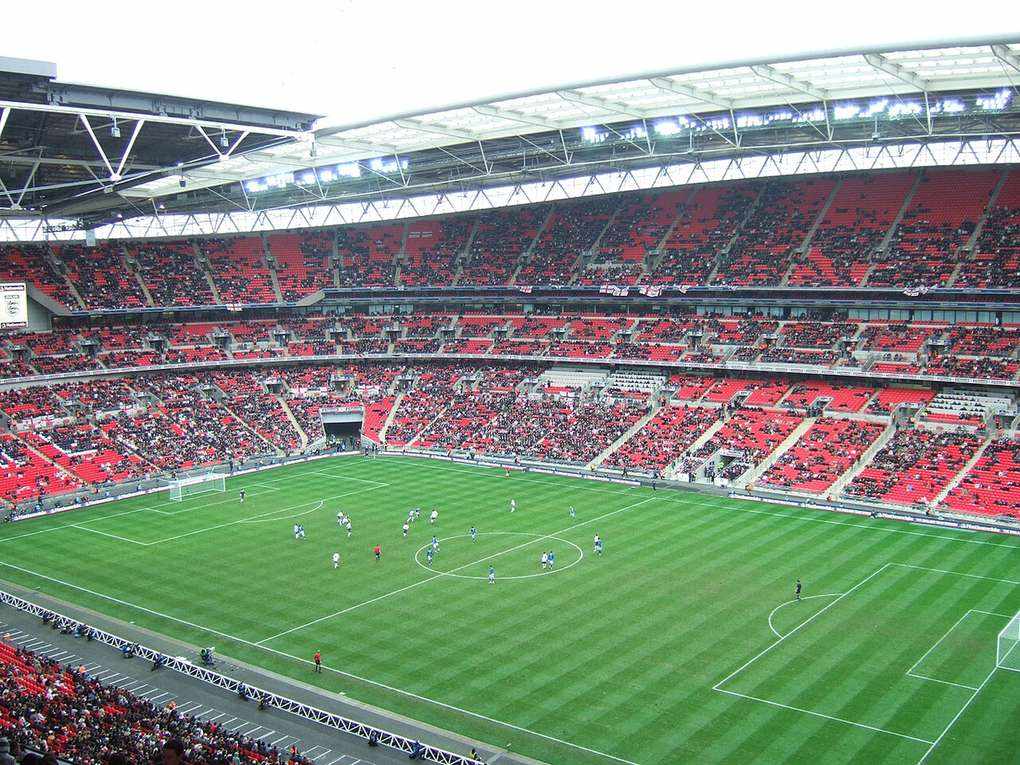
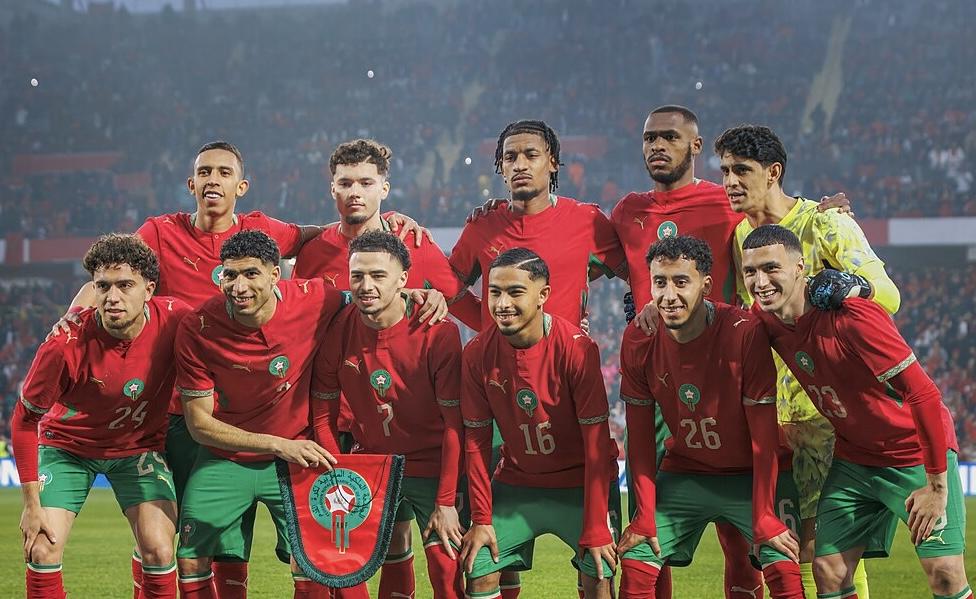
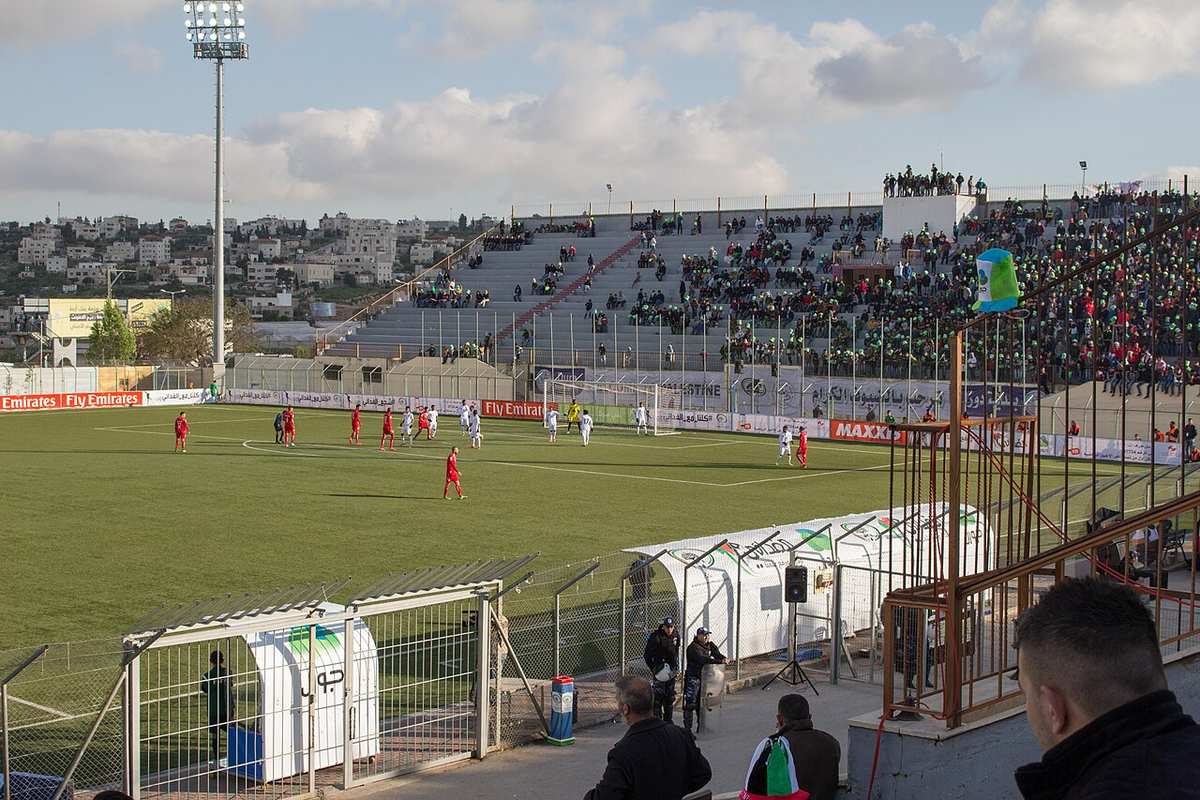
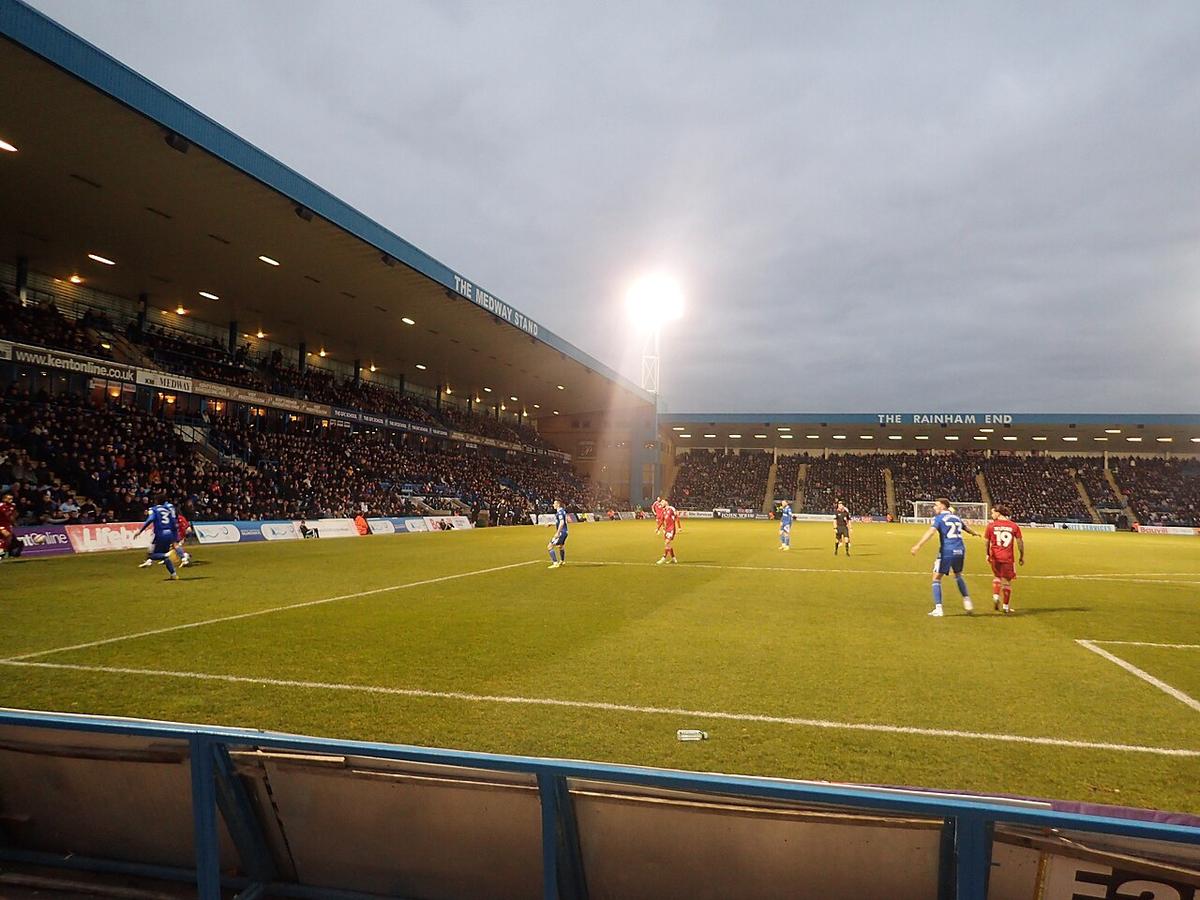
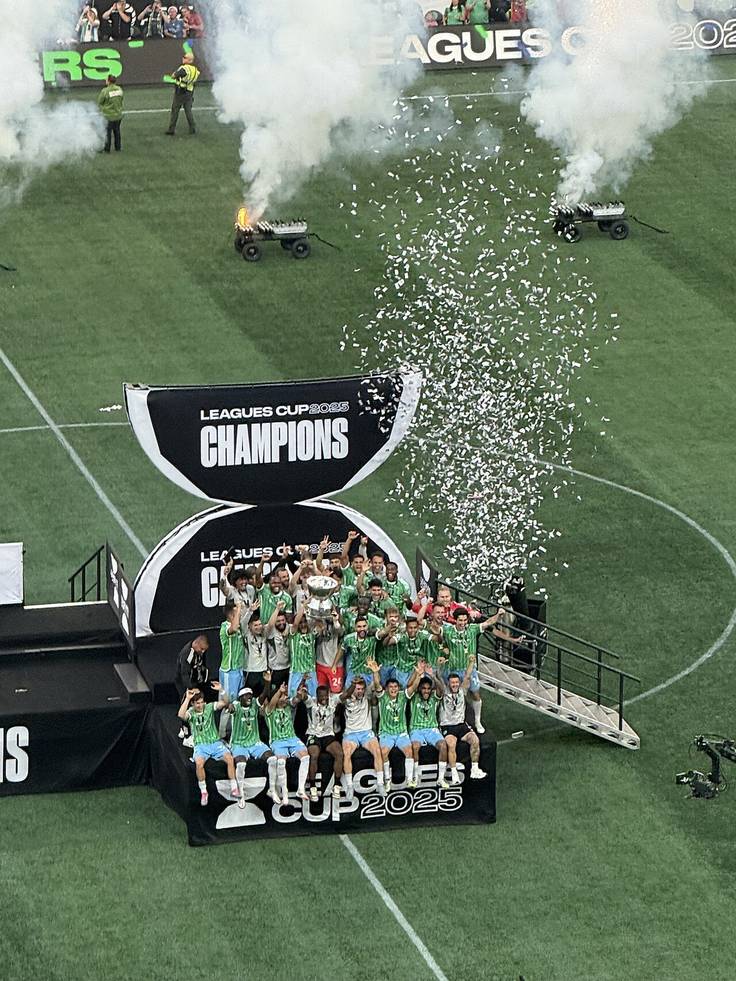
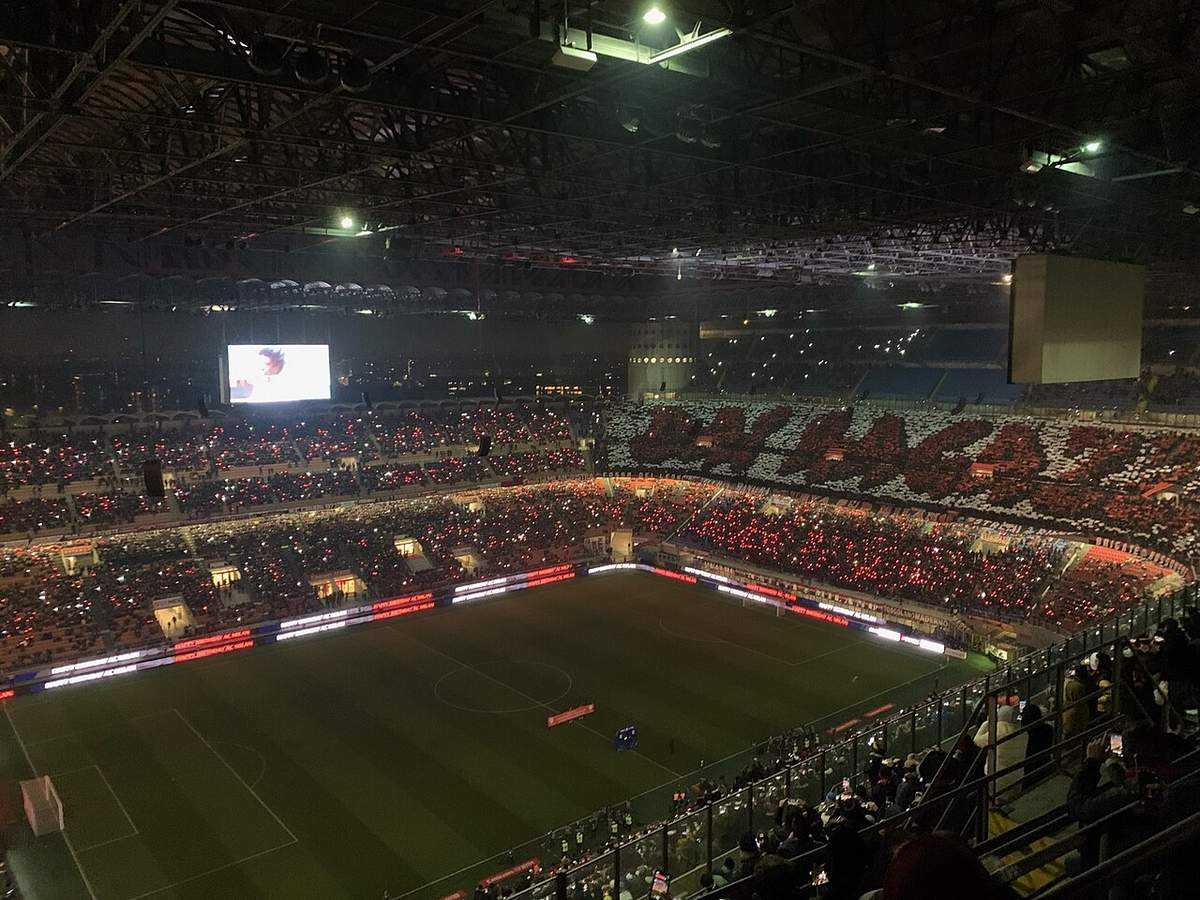
*Photo note: San Siro before a 2021 Serie A match, and Wembley Stadium, an archive photograph. Both illustrate European league football generally. Sources: Wikimedia Commons, CC BY-SA 4.0 and CC BY-SA 2.0.*