Cristiano Ronaldo 2010: Madrid and Mourinho
Published on 29 October 2026

Cristiano Ronaldo's 2010 was a year of two halves that did not quite fit together. The first half ended in World Cup disappointment with Portugal in South Africa, and the second half began a new era at Real Madrid under José Mourinho, the manager who would shape the next phase of his career. In between, in June 2010, he became a father for the first time. This article follows 2010 in order, keeps the Copa del Rey final where it belongs, in 2011, and explains why a year without a major trophy still mattered.
The promise is simple: a dated account of Ronaldo's 2010, with verified goal tallies, no misdated finals, and a clear separation between the calendar year and the football season that straddled it.
The World Cup: South Africa 2010
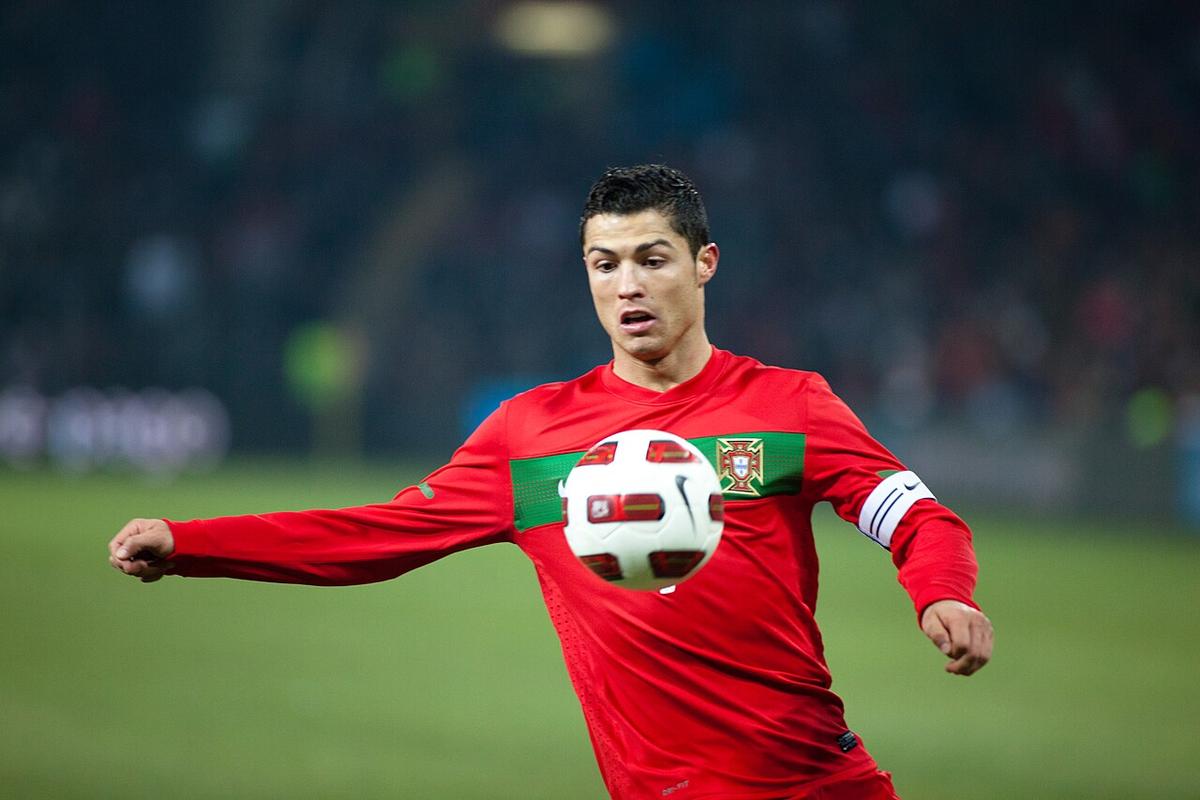
Ronaldo arrived at the 2010 World Cup as Portugal's captain and biggest star, but the tournament did not deliver. In the opening match against Côte d'Ivoire on 15 June 2010, he was booked after a confrontation that followed a tackle by Guy Demel, and Portugal appealed the yellow card unsuccessfully. He was named man of the match in all three of Portugal's group games, a detail that says something about his performances even in a frustrating tournament, but his only goal came in the 7-0 group-stage win over North Korea on 21 June, his first international goal in 16 months.
Portugal's run ended in the round of 16 with a 1-0 defeat to Spain, the eventual champions. The contrast with 2018, when Ronaldo scored a hat-trick against the same opponents, is stark, and it is worth stating plainly: in 2010, Ronaldo the international captain was still waiting for a tournament that matched his club form. The World Cup that summer belonged to Spain, and Portugal's exit, while respectable, was an early one. For his full international story, see our Cristiano Ronaldo Portugal profile.
Becoming a father: Cristiano Jr
In the middle of that World Cup summer, Ronaldo's personal life changed permanently. His first son, Cristiano Ronaldo Jr, was born on 17 June 2010, four days before the North Korea match. Ronaldo announced the birth himself on 4 July 2010, after Portugal's elimination, writing that he had recently become a father to a baby boy and that, by agreement with the mother, who wished to remain anonymous, his son would be under his exclusive guardianship. He asked for privacy for the child, a request he has repeated ever since.
The timing is worth noting because it is so often misremembered. Cristiano Jr was born during the World Cup, not after it, and Ronaldo was playing tournament football in the days around the birth. The boy would go on to follow his father's career through the academies at Real Madrid, Juventus, Manchester United and Al Nassr, a journey covered in our Cristiano Ronaldo Jr profile. But in 2010 itself, the story was simpler: a 25-year-old footballer became a father in the middle of the biggest tournament of his life so far.
Mourinho arrives at the Bernabéu
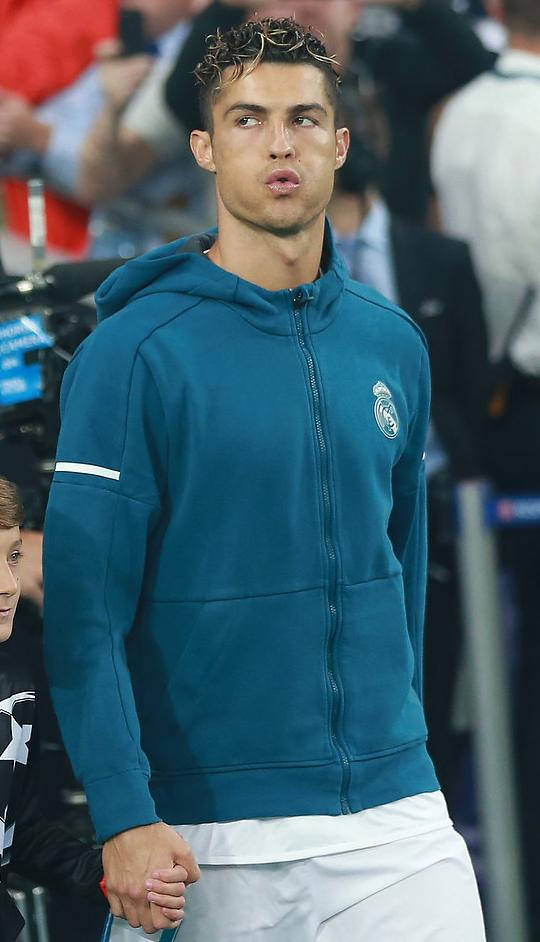
The second half of 2010 belonged to a managerial appointment. On 28 May 2010, it was confirmed that José Mourinho would take over from Manuel Pellegrini at Real Madrid, and on 31 May he was unveiled as the new head coach after signing a four-year contract. Mourinho arrived from Inter Milan, where he had just won the treble, including the Champions League final at the Bernabéu itself, and he was presented as the manager who would end Barcelona's dominance in Spain.
For Ronaldo, the appointment changed the terms of his Madrid career. Under Pellegrini in 2009-10, he had been a brilliant individual in a team that won nothing, finishing second in LaLiga with a club-record 96 points but losing to Alcorcón in the Copa del Rey and going out of the Champions League to Lyon in the round of 16. Mourinho brought a harder edge: a team built to win tight matches, to defend leads, and to challenge Barcelona directly. Ronaldo, who had scored 26 LaLiga goals in 2009-10, would now be the spearhead of that project rather than its only reliable weapon.
The 2010-11 season takes shape
Ronaldo's first full season under Mourinho, 2010-11, was a goalscoring leap. He scored 40 LaLiga goals that season, winning the Pichichi Trophy as the league's top scorer, and 56 goals in 59 games in total, combining club and international football. The league tally is the cleaner number to remember: 40 goals in a single LaLiga season was, at the time, a remarkable return, and it announced that the Mourinho-Ronaldo partnership would be built on goals as well as organisation.
One dating correction belongs here. The Copa del Rey campaign of 2010-11 is often folded into stories of 2010, but its final was played in April 2011, not in 2010, and it therefore belongs to the story of the 2010-11 season, not to calendar 2010. This article does not claim a Copa del Rey final win for 2010, because there was none: the trophy Mourinho's team won in his first season arrived the following spring, when the season that began in autumn 2010 reached its conclusion. Readers who want the full Madrid story should see our history of Real Madrid.

The numbers: two seasons, one calendar year
Calendar 2010 straddles two club seasons, and the numbers show why the year felt transitional. In 2009-10, Ronaldo scored 34 goals in 46 games in total, with 26 of them in LaLiga. In 2010-11, he scored 56 in 59 in total, with 40 in LaLiga. The jump between those two seasons, from very good to extraordinary, is the statistical signature of 2010: the first half of the year was the end of an excellent but trophyless Madrid season, and the second half was the start of a goalscoring explosion.
Internationally, the picture was thinner. The single World Cup goal against North Korea was his only tournament goal of the year, and the 16-month international goal drought it ended is a useful corrective to the idea that Ronaldo has always scored freely for Portugal. He had not: the international goals came in bursts, and 2010 was a fallow period between the Euro 2008 cycle and the prolific years that followed.
Why 2010 still matters
It is tempting to dismiss 2010 as a gap year between the first Madrid season and the title-winning seasons that followed. That misses what the year actually did. It gave Ronaldo a manager who demanded more from him tactically, a son who changed his life off the pitch, and a World Cup failure that clarified what he still had to prove internationally. The Mourinho era that followed, including the 100-point LaLiga title of 2011-12, covered in our analysis of when Cristiano Ronaldo's prime was, does not make sense without the autumn of 2010, when the partnership began.
For the full arc, see our Cristiano Ronaldo profile and our Cristiano Ronaldo career stats. The 2010 story also sets up the years that followed: 2017, when he won his fifth Ballon d'Or, covered in our Cristiano Ronaldo 2017 review, and 2018, when the Madrid era ended, covered in our Cristiano Ronaldo 2018 review.
Frequently Asked Questions
What happened to Ronaldo at the 2010 World Cup?
Portugal were eliminated in the round of 16 by Spain, 1-0. Ronaldo scored once, in the 7-0 group win over North Korea on 21 June 2010, and was named man of the match in all three group games.
When was Cristiano Ronaldo Jr born?
On 17 June 2010, during the World Cup in South Africa. Ronaldo announced the birth on 4 July 2010, after Portugal's elimination, and said his son would be under his exclusive guardianship.
When did Mourinho become Real Madrid manager?
The appointment was confirmed on 28 May 2010, and Mourinho was unveiled on 31 May 2010, taking over from Manuel Pellegrini on a four-year contract after winning the treble with Inter Milan.
How many goals did Ronaldo score in 2010-11?
56 goals in 59 games in total, combining club and international football, including 40 LaLiga goals, which won him the Pichichi Trophy as LaLiga's top scorer.
Did Ronaldo win the Copa del Rey in 2010?
No. The Copa del Rey final of the 2010-11 season was played in April 2011, not in 2010, so it belongs to the 2010-11 season story rather than to calendar 2010.
How many LaLiga goals did Ronaldo score in 2009-10?
26 LaLiga goals, as part of 34 goals in 46 games in total in his first season at Real Madrid.