World Cup Explained: Teams and Games
This guide answers the three questions people actually ask about the tournament now: how many teams play in the World Cup, how long a World Cup game lasts, and how long until the next one.
Key facts
| Fact | Detail |
|---|---|
| Competition | Mundial 2026 |
| Governing body | FIFA |
| Match length | 90 minutes |
| Extra time | 30 minutes |
| Topic | World Cup Explained: Teams and Games |
| Published | 2026-11-01 |
How many teams are in the World Cup?
48 teams played at the 2026 men's World Cup, the first edition ever to use that number. Every men's edition from 1998 to 2022 had 32 teams; before that, the tournament grew in steps, from 13 invited teams at the first World Cup in Uruguay in 1930, to 16 teams from 1934 to 1978, to 24 teams from 1982 to 1994, and then to 32. The jump to 48 in 2026 was the largest expansion in the tournament's history.
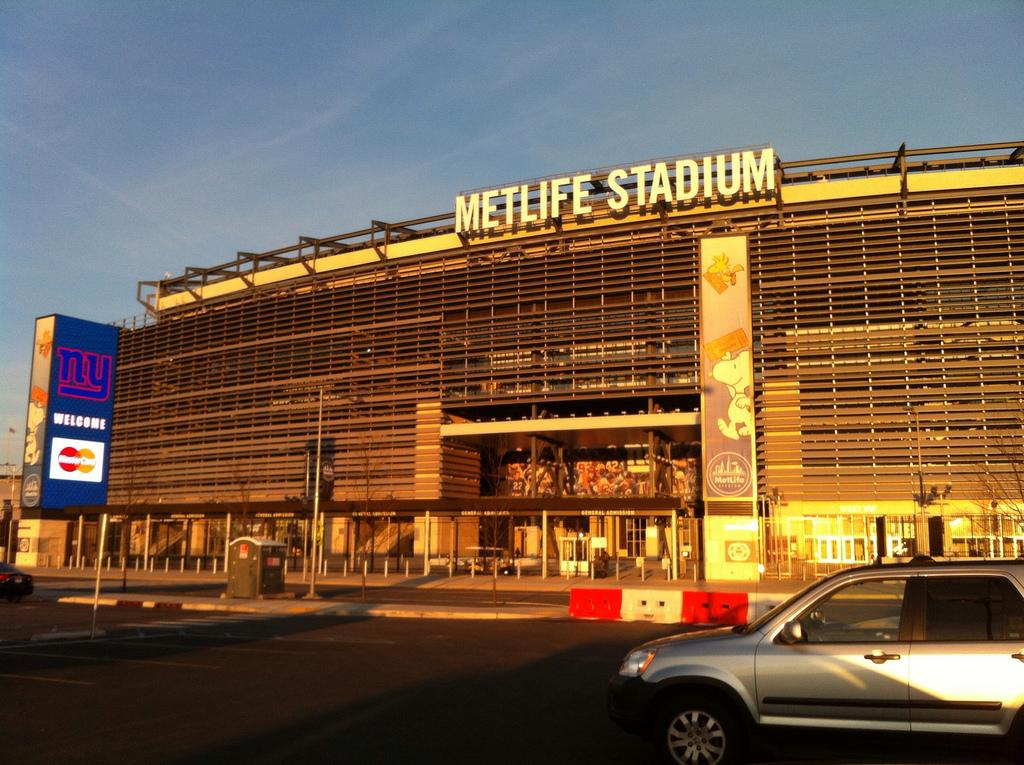
The 48 teams were divided into 12 groups of four, a format described in detail in this 2026 World Cup overview. The top two teams from each group advanced, along with the eight best third-placed teams, into a new round of 32 that began the knockout stage. The whole tournament comprised 104 matches across 16 host cities in the United States, Canada and Mexico, the first World Cup hosted by three nations. The expansion meant more debutants and more places for confederations that had rarely qualified under the 32-team format, and it also meant the champions had to survive eight matches rather than seven.
The women's World Cup is a separate tournament with its own size: 32 teams played at the 2023 women's edition. Do not mix the two numbers. When someone says "the World Cup" without qualification, they usually mean the men's tournament, and since 2026 that means 48 teams.
How long is a World Cup game?
A World Cup game lasts 90 minutes of regulation time, split into two halves of 45 minutes, plus stoppage time added by the referee for injuries, substitutions and other delays. In a group-stage match, that is the whole story: the match ends at the final whistle, and a draw stands as a draw.
Knockout matches cannot end in a draw, so they add two more stages when the score is level after 90 minutes. First comes extra time: two periods of 15 minutes, 30 minutes in total, played in full regardless of who scores. If the score is still level after extra time, the match goes to a penalty shoot-out, where each team takes five kicks, then sudden death if needed. A shoot-out has no fixed duration, but it typically adds 10 to 15 minutes.
So the honest answer has three layers: a group game lasts about 100 minutes including stoppage time; a knockout game that goes the distance lasts about 120 minutes plus stoppage time plus a shoot-out, roughly two and a quarter hours of football; and the longest possible World Cup game is bounded only by how long the shoot-out takes, since sudden death continues until one team misses and the other scores. The 2026 final itself illustrates the middle case: Spain's 1–0 win over Argentina needed extra time, because the score was level after 90 minutes.
The same durations apply to an ordinary football match, not just the World Cup: 90 minutes, stoppage time, extra time only in knockout ties, penalties only when a winner is required. There is nothing special about World Cup timing except the size of the occasion.

How many days until the next World Cup?
There is no honest countdown to give, and this guide will not invent one. The next men's World Cup is the 2030 edition, the tournament's centenary, hosted principally by Spain, Portugal and Morocco, with one centenary celebration match each in Uruguay, Argentina and Paraguay, honouring the first World Cup played in Uruguay in 1930. FIFA has not confirmed the exact dates of the 2030 tournament, so any page giving you a precise "days until the World Cup" figure for 2030 is guessing at the target date.
What is confirmed is the shape of the wait: the men's World Cup runs every four years, so the next edition falls in the summer of 2030, roughly three and a half years after the 2026 final. What is not confirmed is the field size. A proposal to expand the 2030 tournament to 64 teams, as a one-off centenary celebration, has been discussed publicly by FIFA's president and proposed by South America's confederation, but FIFA has not approved it, as reported in this account of the 2030 expansion debate. Until FIFA confirms otherwise, the working assumption is 48 teams, as in 2026, and this page will be updated if that changes rather than presenting a proposal as a decision.
If you are counting down to a World Cup, the nearer milestone is the women's tournament: the next Women's World Cup is scheduled for 2027. That, too, is a separate event from the men's 2030 edition, and the two should not be merged into a single countdown.
What the 48-team format changed
The expansion changed more than the headcount. With 12 groups instead of 8, the group stage produced third-placed teams that still advanced, which meant a team could lose a group match and still progress, and the knockout bracket grew a full round. For fans, the practical effects were a longer tournament, more matches to follow, and a wider spread of kick-off times across three host countries and their time zones.
For smaller nations, the expansion mattered most. Under 32 teams, several confederations had only a handful of places, and a strong qualifying campaign could still end in elimination. Under 48, the same confederations received more slots, and teams that had never reached a World Cup finally did. Critics argued the group stage would produce more one-sided matches; supporters argued the tournament finally reflected how widely football is played. Both arguments were heard throughout 2026, and neither has been settled by a single edition.
How to follow the next tournament properly
When 2030 approaches, the reliable way to follow it is through FIFA's official channels and the official broadcasters in your country, not through unofficial streams. This site never hosts or links to streams: our fixture pages point you to official broadcast information, and our tournament coverage, including the Mundial 2026 hub and the English-language FIFA World Cup 2026 section, is built on results and records, not on pirated feeds. For day-to-day fixtures across all competitions, see today's matches.
A final word of caution for anyone researching the 2026 tournament now: much of the content published before and during June and July 2026 is written in the future tense, previewing matches that have since been played. Treat any 2026 preview as a historical document, check its date, and prefer recaps and records for what actually happened. The final itself, Spain 1–0 Argentina after extra time on 19 July 2026, is the fixed point everything else should be measured against.
Frequently asked questions
How many teams play at the World Cup?
48 teams played at the men's World Cup 2026, the first 48-team edition. Previous men's editions from 1998 to 2022 had 32 teams. The women's World Cup is a separate tournament, with 32 teams at its 2023 edition.
How long does a World Cup match last in total?
90 minutes plus stoppage time in the group stage. Knockout matches tied after 90 minutes go to extra time (two periods of 15 minutes) and then to a penalty shoot-out if still level.
When is the next World Cup after 2026?
The next men's World Cup is in 2030, hosted by Spain, Portugal and Morocco with centenary matches in Uruguay, Argentina and Paraguay. FIFA has not confirmed exact dates, so no precise day count can honestly be given yet.
Will the 2030 World Cup have 64 teams?
Not confirmed. A 64-team centenary edition has been proposed and discussed, but FIFA has not approved it. Until it does, 48 teams, as in 2026, remains the working assumption.
How many matches were played at the 2026 World Cup?
104 matches, across 16 host cities in the United States, Canada and Mexico, with the final on 19 July 2026.

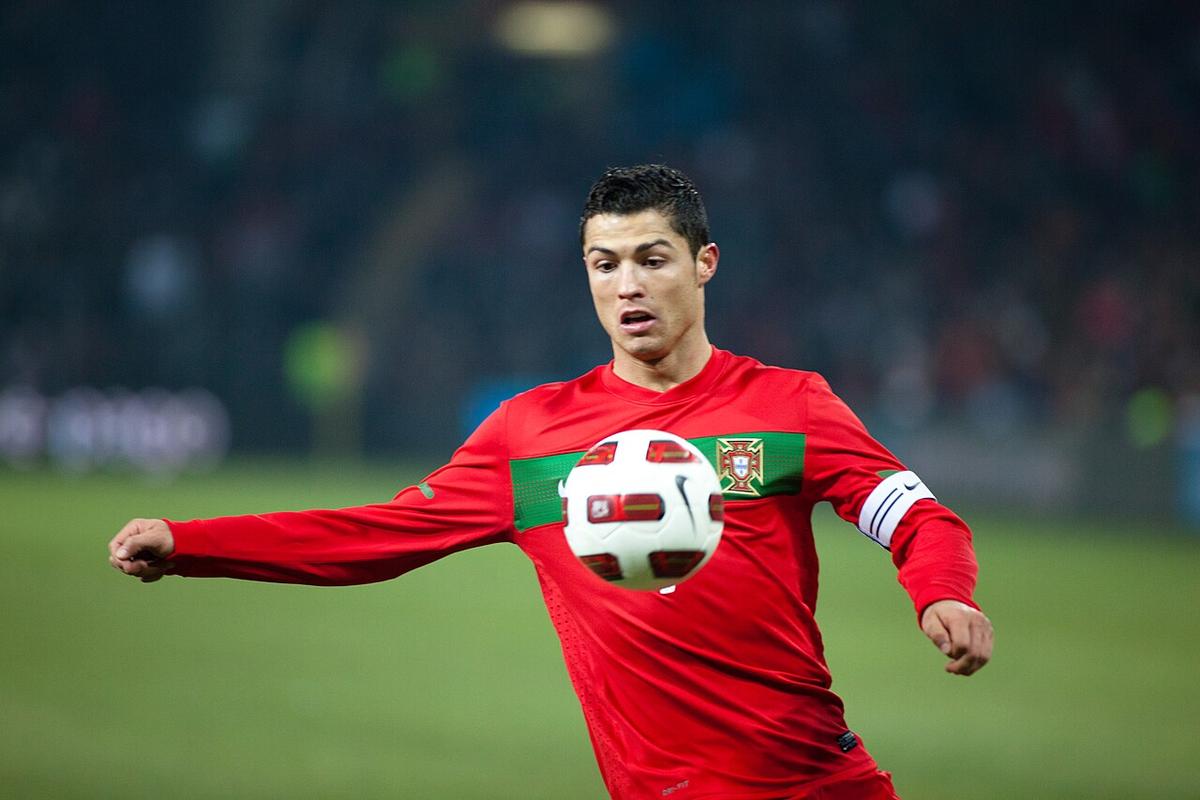
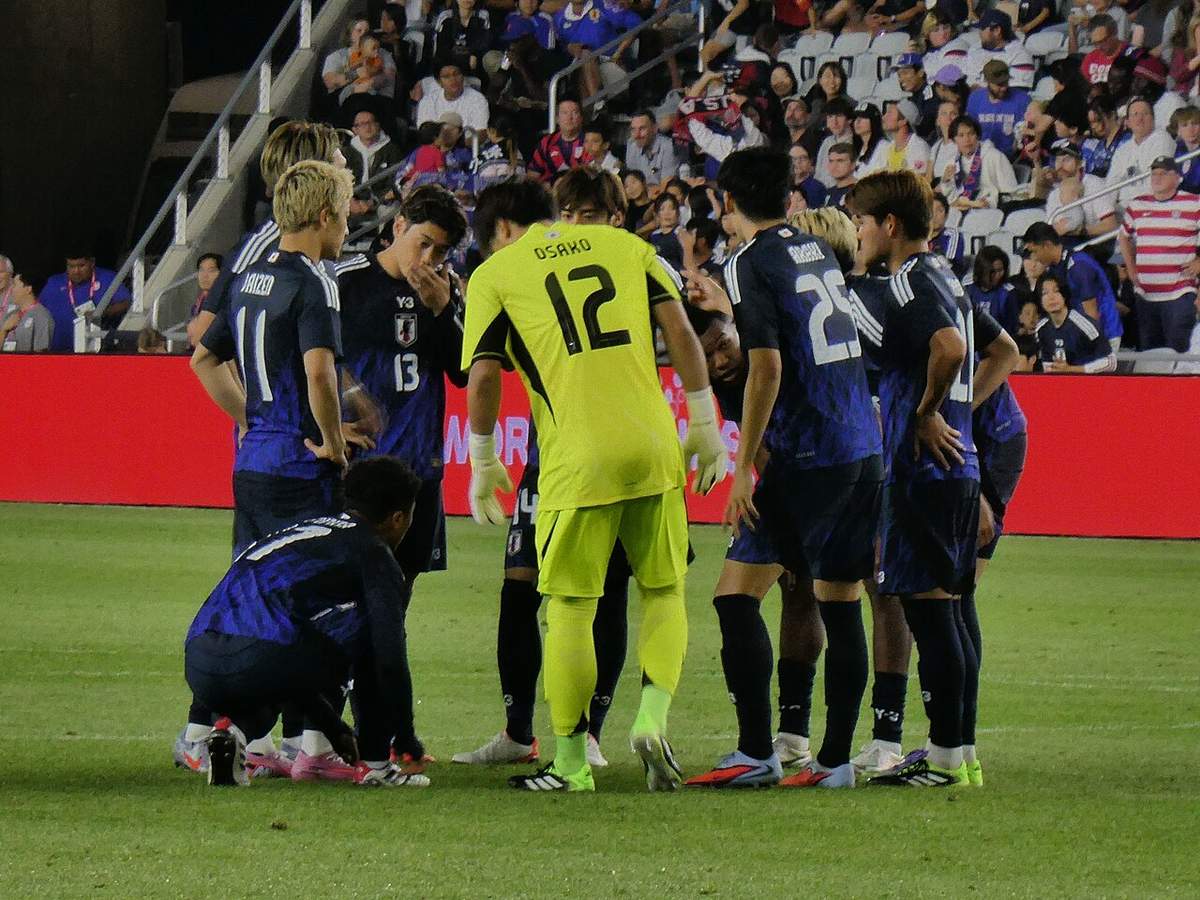
*Photo note: the trophy photograph illustrates the tournament; the second photograph is an archive image from Germany's 2014 title, not from the 2026 tournament. Sources: Wikimedia Commons, CC BY-SA 4.0 and CC BY 3.0.*